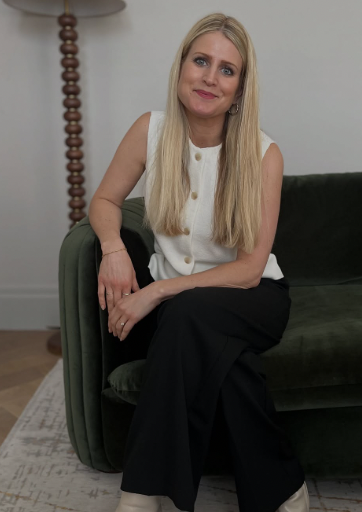
We often assume our hair is ‘just the way it is,’ but in reality; there are many factors that influence how our hair looks and feels, some within our control, some outside of it. If your hair is feeling thinner, drier, more prone to breakage or you’re noticing more shedding than usual, these are often signs that you may need to provide your body with a deeper layer of support. The good news is that the strength, shine and overall quality of our hair is something we can influence over time through our nutrition, lifestyle, and everyday habits.
So, let’s start with protein. Good-quality protein is non-negotiable as it’s one of the most important foundations for healthy hair. Hair is made from keratin, a protein, so what you eat directly provides the building blocks for growth.
Ideally, we want to include protein at every mealtime so think about foods like eggs, dairy, fish, as well as plant-based options like soy foods such as tofu, tempeh and edamame.
And if you’re vegetarian or vegan listen up, as we know those who follow these dietary patterns are more at risk of lower protein intake if they aren’t paying attention to how they build their meals.
If you don’t get enough protein it can lead to slower growth, weaker strands or increased shedding. This is one of the reasons people may notice increased hair shedding during periods of dieting. So, when you’re building your meals, make sure to have a good quality source of protein on your plate.
There are also some key minerals that are essential for healthy hair growth, needed in smaller amounts than protein. Let’s start with zinc. Because hair is constantly growing from the root, zinc helps to support the growth and repair of new cells so it’s not surprising that low levels can be associated with hair thinning or increased shedding because that process becomes less efficient so hair might grow more slowly or become weaker. Adults need around 8mg zinc per day and can get it through foods like pumpkin seeds, chicken, fish and oysters, in fact oysters are one of the highest sources of zinc, one medium oyster can contain between 5-7mg of zinc, so 1-2 oysters has the potential to provide you with your daily intake.
Vitamin D is another nutrient to have on your radar, especially as many people in the UK don’t get enough of it, particularly in the winter months. It plays a role in the hair growth cycle, and low levels have been linked to increased shedding in some people. It’s easy to top up your levels with a supplement like the Meteron labs D3 with K2
And I can’t not mention Iron, as it helps carry oxygen and nutrients around the body including to the hair follicles. Because hair follicles are so active they rely on a good supply, so lower levels may lead to increased shedding.
All of these nutrients ultimately support the hair follicles within the scalp. So, think of your scalp like a garden, and your hair like the flowers that grow from it. What you feed the soil really matters.
Internally, this means a good intake of protein, key vitamins and minerals, and healthy fats like omega 3’s found in oily fish such as salmon and sardines, all of which support the hair follicle environment. But rather than focusing on individual nutrients, it’s better to think about your diet in terms of the overall quality. Aim for a wide range of colourful fruits and vegetables to provide a wide variety of vitamins, minerals, and antioxidants, alongside an anti-inflammatory pattern of eating that includes healthy fats, quality sources of protein, and whole foods. Try to limit ultra processed foods and refined sugar as they are inflammatory and don’t support healthy hair growth.
But it’s not just about nutrition. It’s important to also consider lifestyle factors, as they also play a role. If you’re eating all the right foods but you’re stressed and not sleeping the body can’t function optimally.
We know there is a link between stress and hair thinning because it’s a common side effect many women and men notice when they are going through a stressful period of time. When our stress hormone cortisol remains elevated, it down-regulates non-essential processes like hair growth, so more hair may shift into the resting phase which leads to more shedding months later. So, if you are feeling stressed and noticing the effects, look at how you could support this with things like sleep, good nutrition and stress-management techniques.
Everyday hair habits can also support hair strength, or work against it, so take care of the hair you have to support its condition and reduce breakage.
Mechanical stress is one of the biggest contributors to breakage so avoid aggressive brushing, especially when the hair is wet as this is when it is most fragile and prone to damage.
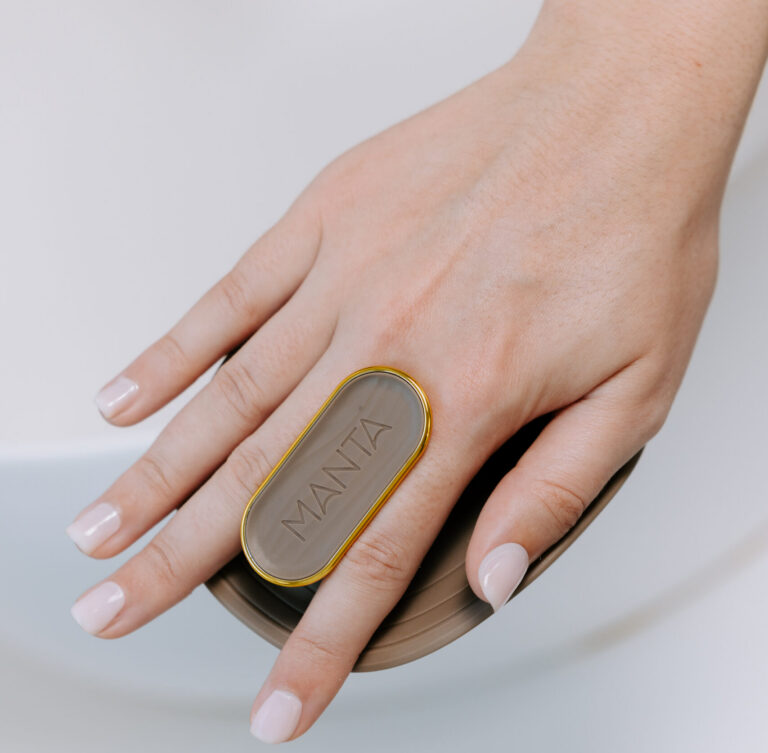
Gentle brushing using a brush like MANTA is a great way to help detangle without pulling the hair as it glides through the hair reducing the risk of catching or tearing and works just as well on wet or dry hair. If you find your hair is tangled after washing, start detangling from the ends and gently work up towards the scalp, this works with the hair rather than pulling and creating more stress and damage.
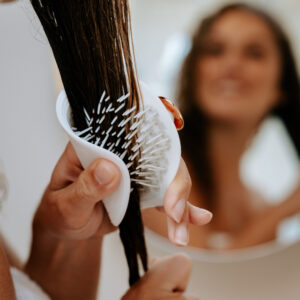
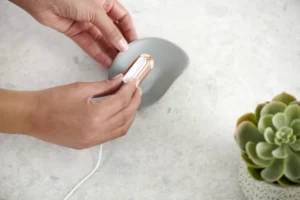
Avoid excess heat styling and use a heat protector to look after the hair and protect it from heat damage which overtime can affect the quality of the hair strands. And give your scalp some love, whether it’s a gentle massage (TRY THE MANTA PULSE) or using nourishing scalp treatments of serums designed to support scalp health, and working them in directly before washing the hair for example. Or leave overnight for more nourishment. Because the MANTA Healthy Hair Brush is ultra gentle, you could also use it to massage the serum into the scalp, this stimulates and supports blood flow to the follicles.
Through consistent nutrition, balanced lifestyle habits, and gentle everyday care, we can create the right internal and external environment for stronger, healthier hair to grow. And remember, consistency is key, it’s the small things we do every day that, over time, make the biggest difference.
Words by: Maz Packham, Nutritional Therapist and Head of Nutrition for W-Wellness
Instagram: @maznutritionist