
Posted in: haircare read





Expert advice from a Trichologist
As a trichologist, one of the most common concerns I see in clinic is hair breakage. Many people worry that their hair is thinning or not growing, when in reality the hair fibre is breaking faster than it can retain length. What often surprises people is that this type of damage is rarely caused by serious medical issues or a lack of products. Instead, it is usually the result of everyday habits that place repeated stress on the hair shaft.
Hair is remarkably strong, but it is not indestructible. The way we handle, brush, and detangle our hair on a daily basis plays a significant role in its long-term strength and appearance. Fortunately, many of the most common causes of breakage are preventable once you understand what is happening at a structural level.
Over-brushing and aggressive detangling
One of the most frequent mistakes I see is brushing the hair too aggressively, particularly when trying to remove knots. Many people brush from the roots straight down to the ends, applying force when they encounter resistance. This creates tension along the hair shaft and places strain on the weakest points of the hair, which are usually the mid-lengths and ends.
From a trichological perspective, repeated mechanical stress damages the protective cuticle layer of the hair. Once the cuticle becomes compromised, the inner structure of the hair is exposed, making it more prone to splitting and snapping. Over time, this leads to visible breakage, frizz, and difficulty retaining length.
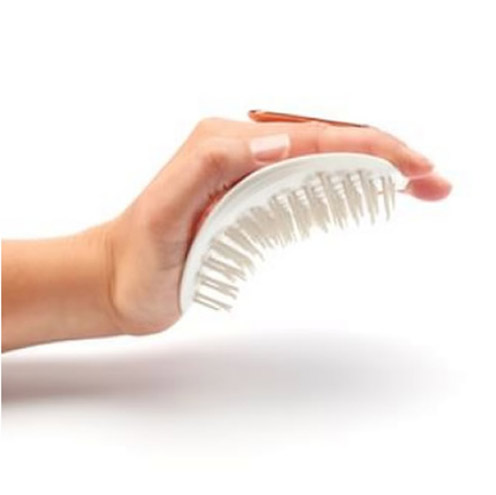
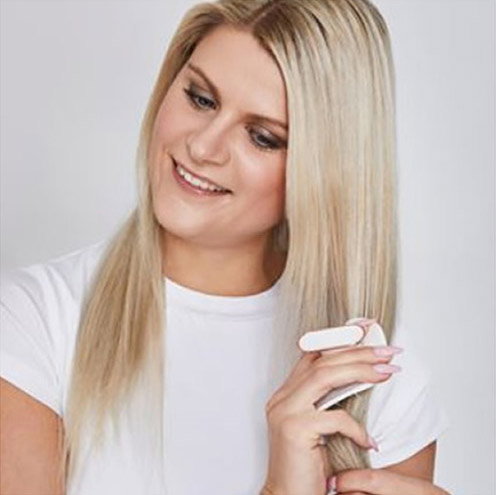
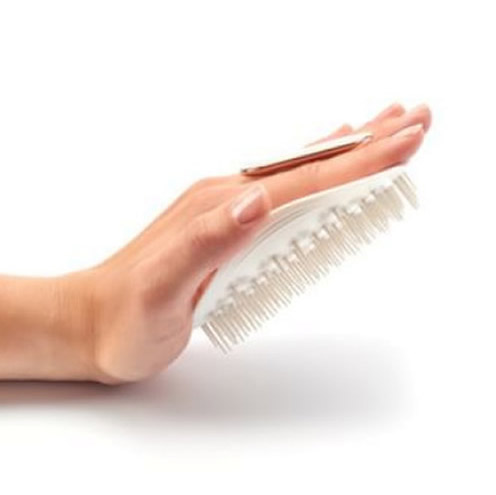
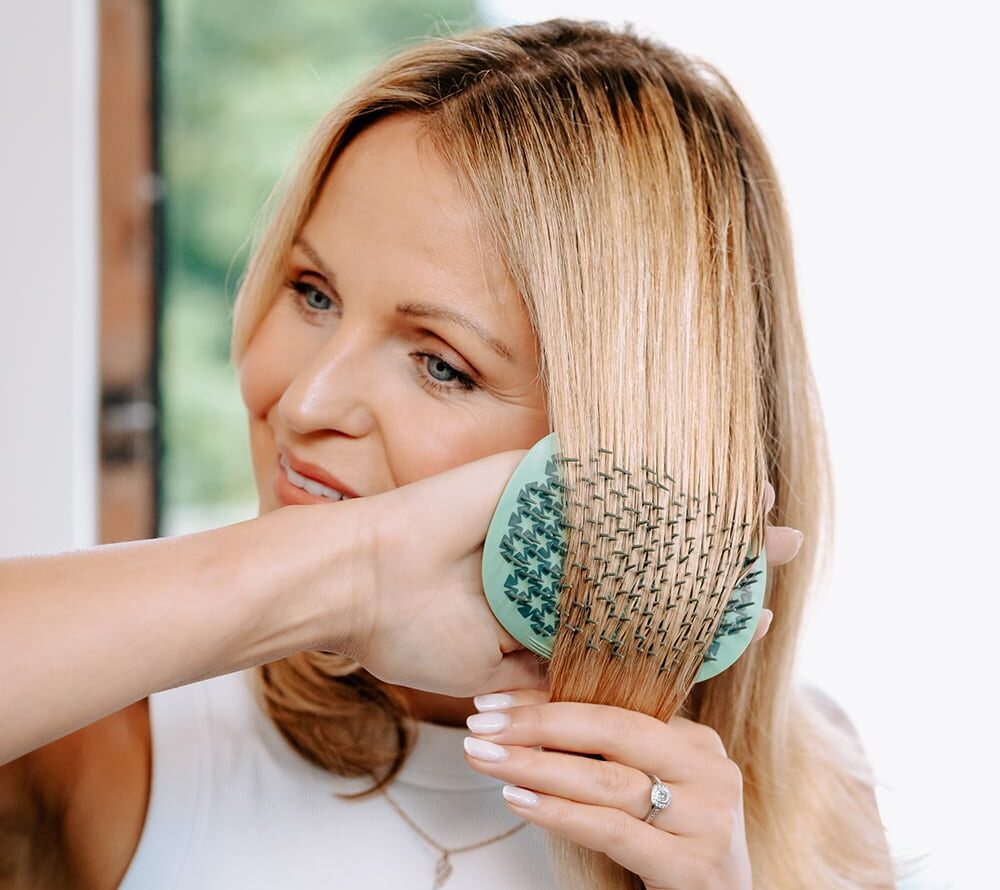
A gentler approach to detangling can make a significant difference. Starting at the ends and working gradually upwards reduces tension and allows knots to loosen without pulling. Using a brush that flexes and moves with the hair=MANTA, rather than against it helps to minimise stress on individual strands, particularly for fine, fragile, or chemically treated hair.
Brushing wet hair incorrectly
Another common cause of breakage is brushing the hair when it is wet using tools that are not designed for this purpose. Wet hair is at its most vulnerable because it can stretch more than dry hair. While some elasticity is normal, excessive stretching followed by forceful brushing can cause the hair fibre to snap. (Watch here: How to detangle with Manta)
Many people unintentionally damage their hair after washing by rushing through detangling while the hair is still saturated with water. This is especially problematic for those with long, fine, or textured hair, where knots are more likely to form.
When detangling wet hair, patience and the right tools are essential. Gentle movements, reduced tension, and flexible bristles help the hair return to its natural state without being overstretched. This approach preserves the integrity of the hair fibre and reduces the likelihood of breakage over time.
Ignoring scalp health when brushing
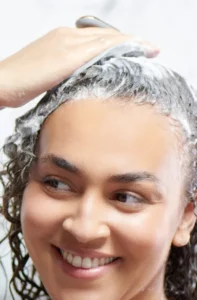
Brushing is often viewed purely as a styling step, but from a trichologist’s perspective, it also affects scalp health. Many people either brush too harshly at the scalp or avoid brushing altogether because they are worried about shedding. Both approaches can be problematic.
Excessive pressure or rigid brushing can irritate the scalp and contribute to inflammation, particularly in individuals with sensitive skin or existing scalp conditions. On the other hand, avoiding brushing completely can allow shed hairs to accumulate, making hair loss appear worse and contributing to tangling.
Gentle brushing that distributes pressure evenly across the scalp can support comfort and promote a healthy environment for hair growth. The goal is not to scrub or scratch the scalp, but to encourage natural movement without irritation. (Try the Manta pulse for gentle scalp stimulation via vibration).
Using the wrong tools for your hair type
Hair is not one-size-fits-all, and the tools we use should reflect this. Fine hair, ageing hair, postpartum hair, and hair that has been coloured or heat-styled regularly is far more susceptible to breakage than resilient virgin hair. Unfortunately, many people continue to use dense, rigid brushes that are better suited to thick or coarse hair types.
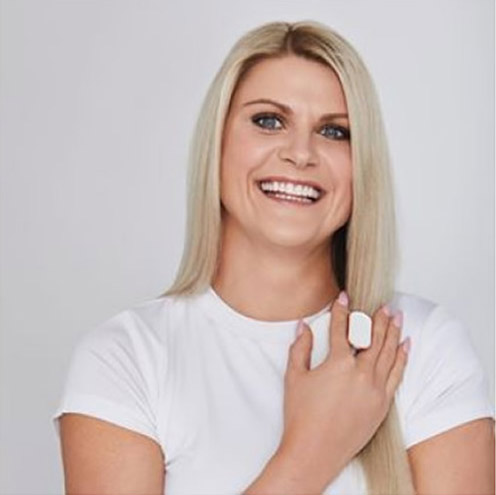
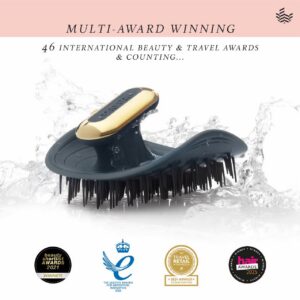
In clinical practice, I often remind patients that fragile hair requires less tension, not more. Tools that pull, snag, or resist movement can contribute to cumulative damage, even if the hair appears healthy initially. Choosing brushes, like the MANTA designed to reduce mechanical stress, can help preserve density and strength in the long term. Shop Manta here.
Prevention is easier than repair
One of the most important messages I share with patients is that breakage develops gradually. It is the result of small, repeated stresses rather than a single event. While treatments and products can help improve the appearance of damaged hair, prevention remains the most effective strategy.
Gentle handling, mindful brushing, and using tools that respect the natural structure of the hair can significantly reduce breakage over time. These daily habits support not only the lengths of the hair, but also the scalp environment that healthy hair growth depends on.
As a trichologist, I encourage people to view haircare as a long-term investment rather than a quick fix. By making small but consistent changes to how you care for your hair each day, it is possible to maintain stronger, healthier hair that is better able to retain length and vitality.
Written by: Simone Adams
Consultant Trichologist
Derma Trichology